Mindr Leads Impaired Driving Conversation at Midwest Traffic Safety Conference
Session examined a shifting safety landscape in which drinking declines while alcohol-related crash numbers persist and THC use grows; Mindr presented a holistic suite of technologies to tackle the impairment crisis.
Key Takeaways
- Mindr joined 500 traffic safety professionals at the 2026 Midwest Traffic Safety Conference, hosted by the Midwest Center for Traffic Safety, Nov. 10-12 in Itasca, Illinois.
- Mindr's session, "Impairment Is Changing: A Hands-On Look at Alcohol and THC Detection Technology," gave attendees a hands-on look at alcohol and THC detection technology. Crashes involving alcohol-impaired drivers still account for 30% of U.S. traffic deaths, while cannabis plays a growing role.
- Kate Riley, general manager of Keepr and recenTHC, and Karen Sisson, Esq., senior vice president of government affairs at Mindr, led the session, and attendees saw demonstrations of Mindr's full suite of safety solutions, including the latest Intoxalock ignition interlock device, Keepr Alcohol Monitoring, the voluntary Keepr Drive device and the recenTHC oral fluid test.
CHICAGO, Nov. 19, 2026 /PRNewswire/ -- Mindr, a national leader in substance detection, monitoring and safety technology, led a session on shifting impairment trends and demonstrated its alcohol and THC detection technology for 500 law enforcement officers, prosecutors and traffic safety professionals at the 2026 Midwest Traffic Safety Conference, hosted by the Midwest Center for Traffic Safety from Nov. 10-12 in Itasca, Illinois. The session explored why alcohol-impaired crashes still account for 30% of U.S. traffic deaths, while cannabis plays a growing role.
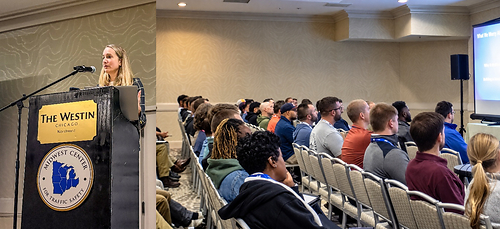
On Nov. 10, Kate Riley, general manager of Keepr and recenTHC, and Karen Sisson, Esq., senior vice president of government affairs at Mindr, led the session "Impairment Is Changing: A Hands-On Look at Alcohol and THC Detection Technology." They walked attendees through current impairment trends and what those trends mean for the technology and policy tools available to help combat impaired driving.
A persistent gap framed much of the session. The percentage of U.S. adults who say they consume alcohol has fallen to 54%, the lowest in Gallup's nearly 90-year trend, and it held at that record low in 2026. Yet an estimated 15.5 million Americans ages 16 and older reported driving under the influence of alcohol in the past year, according to the Centers for Disease Control and Prevention. In 2024, 11,904 people died in crashes in which at least one driver was alcohol-impaired, 30% of all traffic fatalities in the United States, according to the National Highway Traffic Safety Administration (NHTSA). That is one death every 44 minutes, and nearly 4 in 10 of those killed were someone other than the impaired driver, including passengers, other motorists and pedestrians.
Closer to home, the Illinois numbers follow the same pattern. In 2024, 338 people died in crashes involving an alcohol-impaired driver, or 29% of the state's 1,177 traffic deaths, according to NHTSA. That was up from 309 in 2015. In 236 of those deaths, or 20% of all Illinois traffic fatalities, at least one driver had a blood alcohol concentration of 0.15 or higher, nearly twice the legal limit. The Illinois Secretary of State reports that 87% of drivers arrested for DUI in the state are first-time offenders, and Mothers Against Drunk Driving reports that the average drunk driver has driven 80 times before their first arrest.
"Impaired driving remains one of the most stubborn challenges on our roads, and no single agency can solve it alone," said Marc Fisher, executive director of the Midwest Center for Traffic Safety. "This conference brings together the officers, prosecutors and safety professionals from across the country who work on this problem every day. Having partners like Mindr in the room sharing tools that help people plan ahead before they ever get behind the wheel adds an important piece to that effort."
Riley and Sisson also highlighted how impairment is shifting beyond alcohol to cannabis and other substances. In an NHTSA study of seriously or fatally injured road users, 56% tested positive for at least one potentially impairing substance, and cannabinoids (25%) were detected slightly more often than alcohol (23%). The findings point to a clear shift in impairment trends and a growing need for tools, including those that can detect alcohol and THC.
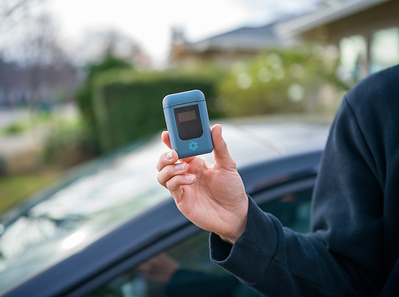
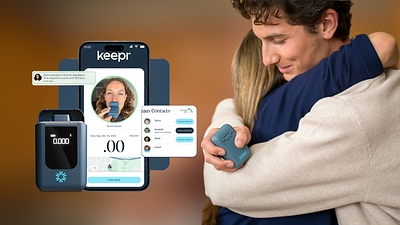
Mindr continues to address these impairment trends through technology innovation to fulfill its mission to keep people and communities safe. Its latest innovations include Keepr Drive, a proactive, in-vehicle accountability tool that requires a breath test before the car starts; Keepr Alcohol Monitoring, which helps courts, family law professionals and behavioral health programs document breath alcohol testing activity outside of a vehicle; and recenTHC, an oral fluid test in development designed to detect recent THC use, as cannabis plays a growing role in workplace safety and impaired driving.
At the conference, Mindr showcased its full suite of safety solutions, including the latest Intoxalock ignition interlock device, now rolling out in new states including Pennsylvania and New Jersey, with more to follow. Attendees also saw demonstrations of Keepr Drive and recenTHC, giving them a firsthand look at the alcohol and THC detection technology behind Mindr's newest tools.
Law enforcement agencies, courts and traffic safety organizations interested in Mindr's alcohol and THC detection technology can learn more at mindr.com.
Mindr brings nearly four decades of alcohol detection experience to this effort, from developing the fuel cell technology that set the standard for today's ignition interlock devices to building a national network of more than 6,000 service centers that puts that technology within reach of anyone who needs it. Today, the company continues to advance the industry through research, thought leadership and new product development.
"Americans are drinking less than ever, yet impaired driving still accounts for nearly a third of traffic deaths, both nationally and here in Illinois. As impairment extends beyond alcohol to cannabis and other substances, keeping pace takes current data, collaboration and continued innovation," said Kathy Boden Holland, chief executive officer of Mindr. "Thank you to the Midwest Center for Traffic Safety for creating a space where everyone working on this challenge can learn from the same data and from each other. We're proud to be part of that effort and to keep innovating toward our shared mission of keeping people and communities safe."
Mindr will continue to work with the Midwest Center for Traffic Safety to support educational and policy initiatives in Illinois designed to help combat impaired driving.
About Mindr
Mindr is a national leader in substance detection, monitoring and safety solutions. Its portfolio of trusted brands includes Intoxalock, Breathe Easy Insurance, Keepr, DUI.org, recenTHC and ADS Interlock. Mindr is focused on making communities safer through innovative technologies that empower individuals with the tools to make better decisions.
Learn more about Mindr by visiting mindr.com.
About the Midwest Center for Traffic Safety
At the Midwest Center for Traffic Safety, our mission is to reduce traffic-related fatalities and serious injuries across the region by implementing evidence-based strategies grounded in the Safe System approach. We aim to address the most pressing issues contributing to roadway deaths — impaired and distracted driving, speeding and lack of seat belt use — by advancing equitable education, enforcement, engineering and emergency response practices.
Through collaborative partnerships, data-driven research and community engagement, we strive to create safer, more resilient transportation systems for all users, especially the most vulnerable. Our work supports long-term cultural change and sustainable improvements in road safety, ensuring that every journey, regardless of mode, age, income or background, is safe.
Media Assets: A full press kit from the conference, including photos and B-roll of Mindr's safety solutions and the in-vehicle Keepr Drive demonstration, is available here.
SOURCE Mindr





Share this article