


In HelloNation, Insurance Agent David Stroman Breaks Down Auto Insurance Coverage Basics
HelloNation Article Highlights Auto Insurance Basics to Help Drivers Choose Coverage Beyond State Minimums.
CHARLOTTE, N.C., Sept. 16, 2026 /PRNewswire/ -- What does full coverage auto insurance actually include? A HelloNation article was recently published to answer this question, breaking down coverage basics for everyday drivers.
The article notes that many drivers choose coverage based only on their state's minimum requirements. These minimums are designed to meet legal obligations, not to fully protect a driver's finances after a serious accident.
Liability coverage is typically split into two parts, the article explains. Bodily injury liability pays for injuries a driver causes to others, while property damage liability covers damage to another vehicle or property.
Full coverage is a common term, but the article points out that it has no single fixed definition. It generally refers to a mix of liability, comprehensive, and collision coverage working together.
Comprehensive coverage protects a vehicle from damage not caused by a collision, such as theft, vandalism, or weather events. Collision coverage, by contrast, pays to repair or replace a vehicle after an accident regardless of fault.
Uninsured and underinsured motorist coverage protects a driver when the other party lacks adequate insurance, according to the article. This coverage can help pay medical bills and repair costs in these situations.
Medical payments coverage, sometimes called MedPay, can help cover medical bills for a driver and passengers after an accident. The article notes that some states require personal injury protection instead, which offers broader benefits.
A vehicle's value plays a major role in choosing coverage, the article explains. A newer or costlier vehicle usually calls for higher limits, while an older vehicle may not need extensive comprehensive or collision coverage.
Personal finances also matter when selecting auto insurance, the article notes. Higher liability limits protect more of a driver's assets and future income if they are found at fault in an accident.
Family circumstances can shape coverage decisions too, according to the article. Households with teen drivers or multiple vehicles often face higher risk exposure and may benefit from reviewing their limits more closely.
Drivers who lease or finance a vehicle may want to consider gap insurance, the article suggests. This coverage pays the difference between a loan balance and a vehicle's actual cash value if it is totaled.
Deductibles also affect overall costs, since a higher deductible typically lowers a monthly premium but raises out of pocket costs after a claim. The article recommends choosing a deductible that is comfortably affordable.
Combining an auto policy with other insurance products can sometimes reduce overall costs, the article adds, though savings vary by provider. Comparing quotes with and without this approach can clarify whether it makes sense for a given driver.
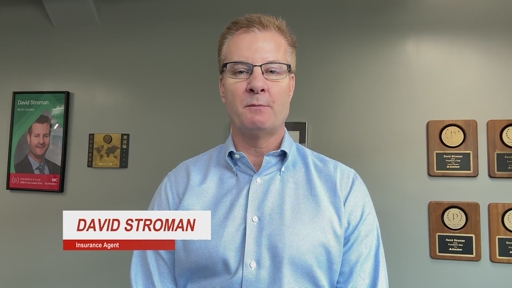
David Stroman, an Insurance Agent based in Charlotte, North Carolina, is featured in the article as a source of insight on these coverage choices. Insurance Agents often note that reviewing a policy annually helps drivers keep pace with changing needs.
The article also touches on usage based insurance programs, which track driving habits through an app or a small device installed in the vehicle. Safe driving habits can sometimes lead to lower premiums, though this option is not the right fit for everyone.
Auto Insurance Coverage Basics for Every Driver features insights from David Stroman, Insurance Agent of Charlotte, North Carolina, in HelloNation.
About HelloNation
HelloNation is America's Good News Network, a premier media platform built on the idea that good news travels faster when real people tell real stories. Through its community-focused digital publications and innovative "edvertising" approach, HelloNation delivers expert-driven, good-news content that informs, inspires, and spotlights the leaders making a meaningful impact in their communities.
SOURCE HelloNation






Share this article